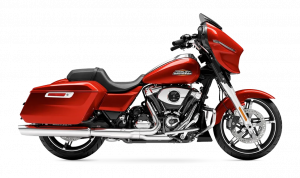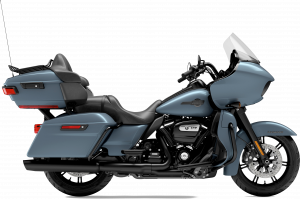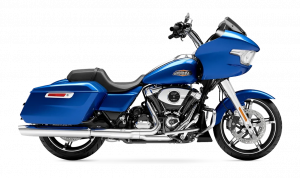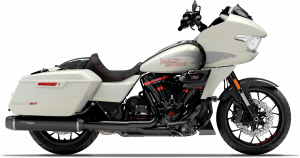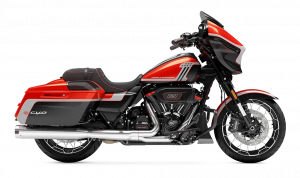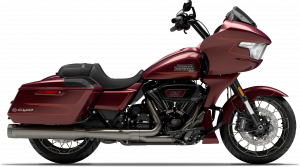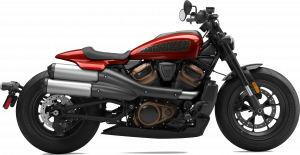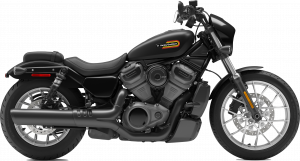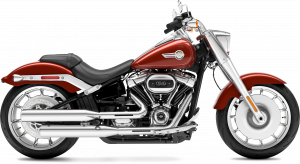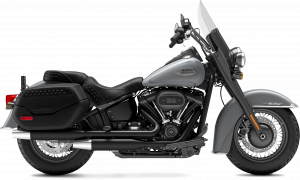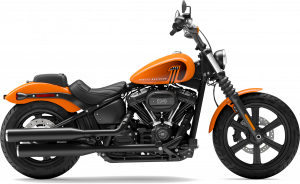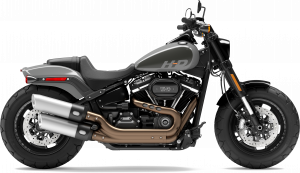
At National City Harley-Davidson, we’re more than just a place to buy your next bike. Our team is here to serve riders in every way, from helping you find the right Harley to keeping it running strong with expert service, genuine parts, and performance upgrades. Whether you’re from National City, Chula Vista, Lincoln Acres, or Bonita, we’re ready to support every mile of your journey. Give us a call or contact us today to learn how we can help bring out the best in your ride.
Tuning after a Stage 2 Harley upgrade is not optional—it’s essential. Riders often want to know what’s included in the upgrade, how much power they can expect, what type of tuner is needed, and the cost of the process. This guide breaks down the answers in clear terms, giving you the stage 2 Harley upgrade tuning instructions you need to get the most from your Street Glide, Breakout, or Fat Boy 114.
Why Stage 2 Tuning Matters for Riders in National City, Chula Vista, Lincoln Acres, and Bonita
When you upgrade to Stage 2, the job is only half done until your bike is tuned. Tuning after a stage 2 Harley upgrade is what brings the full power to life. Without it, the new parts won’t work at their best. A well-tuned engine runs smoother, pulls harder, and lasts longer. It’s the step that ensures all the new airflow and fuel changes work in sync. Riders in National City, Chula Vista, Lincoln Acres, and Bonita often find that tuning is where the real gains appear. Key reasons tuning matters include:
- Better throttle response
- Smoother idle and less heat
- Improved fuel use
- Full use of added torque and power
On a Street Glide or any other model, the change is clear. With tuning, each mile feels stronger and more refined. Skipping this step can mean missed gains and more wear on the bike.
What Does a Stage 2 Harley Upgrade Include?
A Stage 2 upgrade goes beyond simple bolt-on parts. It focuses on the camshaft, fuel system, and airflow to raise both torque and horsepower. To make the most of these changes, riders often look to a stage 2 Harley upgrade tuning guide for clear steps and best practices. Here’s what most Stage 2 kits include:
- Camshaft swap – Improves power delivery and torque.
- Pushrods and lifters – Support the camshaft upgrade for smooth engine action.
- High-flow air intake – Increases airflow for stronger combustion.
- Fuel system changes – Adjusts mix for more power and less heat.
- ECU or dyno tuning – Fine-tunes the engine to match new parts.
On a Breakout, the change is more than numbers on a chart. The bike gains a new feel, with sharper pull and a deeper tone. The upgrade adds more drive for highway runs and more punch in city streets. Skipping tuning means parts will not sync as well as they should. Done right, Stage 2 gives both speed and control, while also keeping the engine safe under load.
How Much More Power Will You Get From a Stage 2 Upgrade?
A Stage 2 upgrade brings a real boost in both torque and horsepower. The change is not just about higher numbers. It is also about smoother pulls, stronger mid-range, and more control on the road. On most bikes, riders can expect:
- Torque gains of 10–20%
- Horsepower gains of 10–15%
The exact results depend on the parts used and how the tuning is done. With the right stage 2 Harley upgrade tuning instructions, a Fat Boy 114 can feel stronger across the full rev range. Riders often notice quicker response when they twist the throttle and a more confident pull in higher gears. The bike not only feels faster, but also more refined. Each ride becomes smoother, sharper, and more in sync with the rider.
How Much More Power Will You Get From a Stage 2 Upgrade?
One of the main reasons riders choose a Stage 2 upgrade is the gain in power. The upgrade does not just change numbers on a chart. It changes how the bike feels in real time. With the right stage 2 Harley upgrade tuning instructions, a Street Glide can show clear gains in both torque and horsepower. Riders often see:
- Torque gains in the range of 10–20%
- Horsepower gains of about 10–15%
These gains mean faster response when you twist the grip and more pull when you climb through the gears. The power band also feels smoother, which makes the bike easier to ride on long roads or in town. The result is a ride that feels more alive. The bike reacts fast, holds strong at speed, and gives you more trust in each mile.
Is Tuning Required After a Stage 2 Harley Upgrade?
Yes, tuning is needed after a Stage 2 upgrade. Without it, the new parts will not work as they should. The engine needs a new fuel map to match the added air and cam lift. Using a proper stage 2 Harley upgrade tuner makes sure the mix of air and fuel is right. This helps the bike run smoothly and keeps stress off key parts. For a Street Glide or any other model, the gains from Stage 2 only show up once the tune is done right. Without it, you risk:
- Poor throttle response
- Lower fuel economy
- High heat in the engine
- Loss of power instead of gains
Tuning is not just about speed. It is about safety, trust, and long life for the bike. When done right, it helps you enjoy the ride without worry.
What Type of Tuner Do You Need for a Stage 2 Harley Upgrade?
When you add new parts, the bike must be tuned. The right tuner makes sure the motor runs well and lasts long. For a Stage 2 setup, this step is key. Not all tuners are the same. Some are built for ease, while others give finer control. The choice depends on how you ride, how much you want to spend, and how much power you need. Riders with a Breakout may want a tuner that can adjust for hard pulls, while touring riders may look for smooth roll-on power. Here are the main types of tuners often used:
- Dealer flash tuner – Simple and done at the shop. It is fast but offers less custom control.
- Handheld tuner – Lets you change maps and update as you ride. Great mix of ease and control.
- Dyno tune – The most exact option. Each part of the bike is tuned for peak output and safe temps.
It is also wise to think of the stage 2 Harley upgrade cost when picking a tuner. The unit itself, plus the tune work, adds to the full price of the upgrade. A good tuner is not just about more speed. It helps the bike start quickly, run cool, and last for years.
Does a Stage 2 Upgrade Affect Your Harley Warranty?
Many riders think about power gains but forget to ask how upgrades can change their warranty. This is an important step to check before you install new parts. A factory warranty is meant to cover stock parts. Once you add changes, the rules can shift. A stage 2 Harley upgrade kit adds cams, pushrods, and other parts. These bring more speed and pull, but they can also bring new coverage limits. Here are a few points to know:
- If the upgrade is done at an official dealer, parts may still be under some warranty.
- If work is done outside the dealer, some parts may lose full coverage.
- If a change causes damage to another part, that repair may not be paid for.
Each case depends on how the bike is set up and where the work is done. That means a Fat Boy 114 with dealer-installed parts may have more support than a bike built with outside shop work. Before you buy, it helps to ask the dealer:
- What parts are still covered?
- Does the tune work stay in line with the plan?
- What steps keep the rest of the bike safe?
The best move is to talk with your dealer so you know what will and will not stay under the plan.
How to Decide if Stage 2 Is Right for Your Riding Style
Not all riders need the same setup. The right choice depends on how you use your bike day after day. A Street Glide used for long trips may call for a different tune than a bike built for short, sharp rides. A stage 2 upgrade adds more pull and faster climb in speed. But tuning after a stage 2 Harley upgrade should match the way you ride, not just the parts you add. Think about these points before you decide:
- Long trips with gear often need more pull.
- Short city rides may not show much gain.
- Fast highway runs make good use of more power.
- Light solo rides at low speed may not need it.
Stage 2 is not for all riders, but it can bring big gains when matched to your style and needs.
Frequently Asked Questions About Stage 2 Harley Tuning
Why is tuning necessary after a Stage 2 upgrade?
- Tuning ensures the engine runs safely and makes full use of the new parts.
What tuning options are available for Stage 2 Harley engines?
- Options include dealer-installed tuners, aftermarket tuners, or custom dyno tuning.
Can I ride my Harley before tuning it post-upgrade?
- It’s not recommended, as running without tuning may cause engine damage.
How do I know if my tune is optimized for my setup?
- A proper tune shows smooth idle, strong throttle, and no engine knock.
Will tuning improve throttle response and fuel efficiency?
- Yes, a good tune sharpens the throttle and can improve fuel use.
How much does a professional Harley tune typically cost?
- Expect around $400–$800, depending on location and setup.
Find Your Next Harley Upgrade in National City
If you’re ready to take the next step with your Harley, our team at National City Harley-Davidson is here to help. Riders from National City, Chula Vista, Lincoln Acres, and Bonita can count on us for expert advice, trusted service, and a wide selection of bikes like the Street Glide, Breakout, and Fat Boy 114. Your path to more power does not have to stop here. You can dive deeper into the upgrade process with guides such as step two install, learn the value of higher performance with worth stage two, or start with the basics by reading about a stage one kit.
These resources are designed to give you the knowledge you need before making changes to your ride. For more details or to see our bikes in person, reach out to our team today. Whether you want to schedule service, shop for parts, or take a test ride, we are here to make it easy. Visit us today!
Get Directions to National City Harley Davidson
Disclaimer: All information is provided for general informational and entertainment purposes only. While we strive for accuracy, we cannot guarantee that all content is complete, current, or error-free. Any reliance you place on such information is strictly at your own risk. This article may include opinions and is not endorsed by, or officially affiliated with, any vehicle manufacturer or brand. Always consult official sources – such as the vehicle’s owner’s manual, authorized dealerships, or certified professionals – for the most up-to-date and personalized information.